Little School at Lincoln School
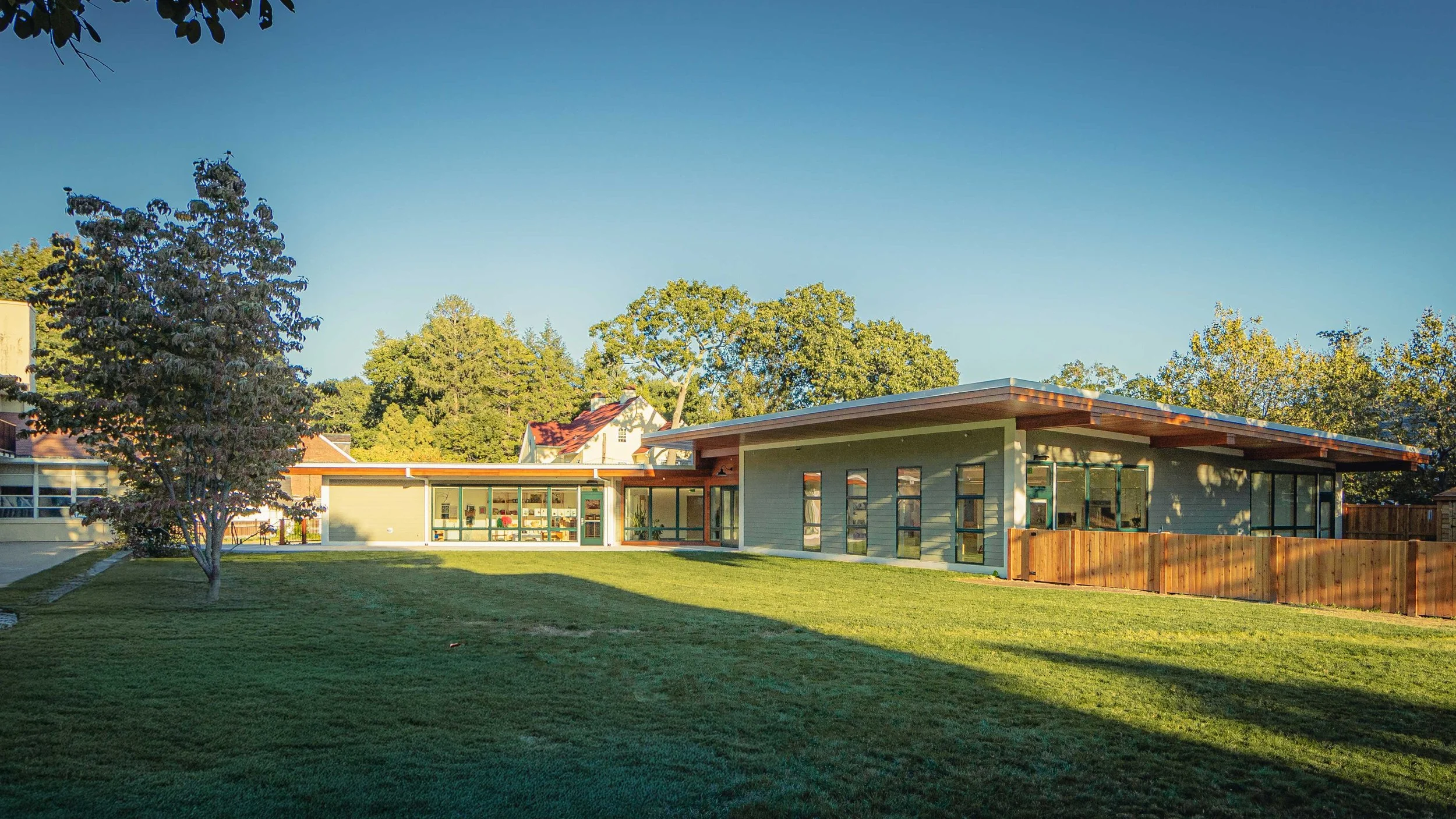
A nature-rich playscape designed to extend learning beyond the classroom through exploration, imagination, and environmental stewardship.Rooted in Quaker principles of environmental stewardship, community, and simplicity, the Lincoln School in Providence, RI, is home to a highly respected coeducational early childhood program. This LEED Gold certified, net-zero energy project expands the Little School with indoor and outdoor learning environments inspired by the School’s Reggio-Emilia-inspired curriculum and Quaker values. The design strengthens connections to the surrounding neighborhood while creating healthy, sensory-rich spaces that encourage curiosity, exploration, and learning.
Client
Lincoln School
Location
Providence, Rhode Island
Services
Landscape Architecture, Site Design, and Planting Design
Size
2,300 sq ft
Certification
LEED Gold Certified
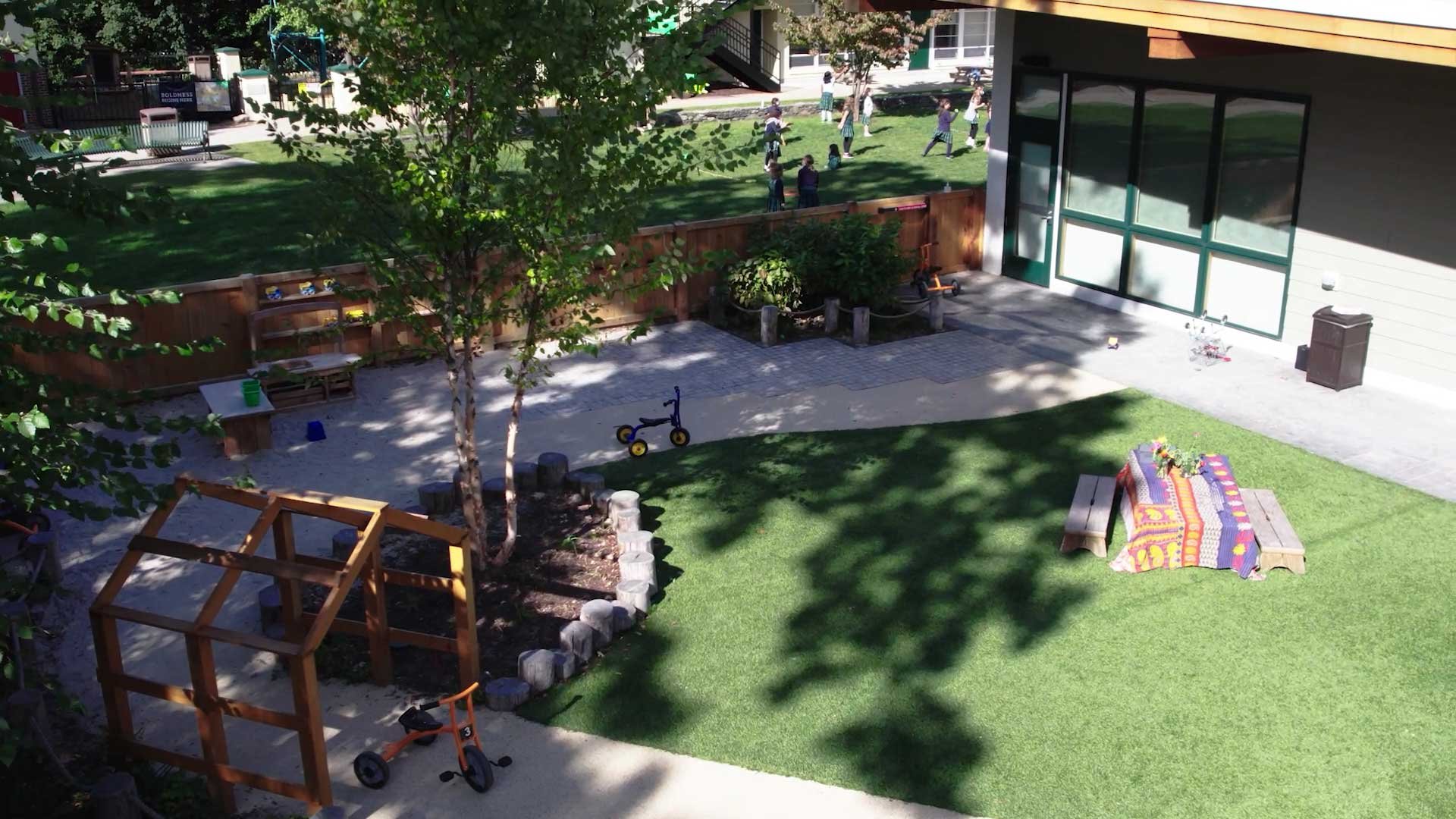
Nature as an Extension of the ClassroomNature plays an integral role in the Lincoln School curriculum, making the outdoor environment an essential extension of the classroom. Every classroom opens directly to the 2,300 SF nature-based play space, allowing children to move seamlessly between indoor and outdoor learning throughout the day. A roof overhang extends from the classrooms to provide a covered outdoor play area, supporting year-round learning and play, even during rainy weather. A 4-foot fence along one edge of the site provides safety while allowing children to maintain visual connections to the rest of the campus.

“Everything that we are as a program, and how we value relationships, all of that was really, very well thought of in the design of this space.”
Kimberly Lough, Director of the Little School, Early Childhood and Auxiliary Programs

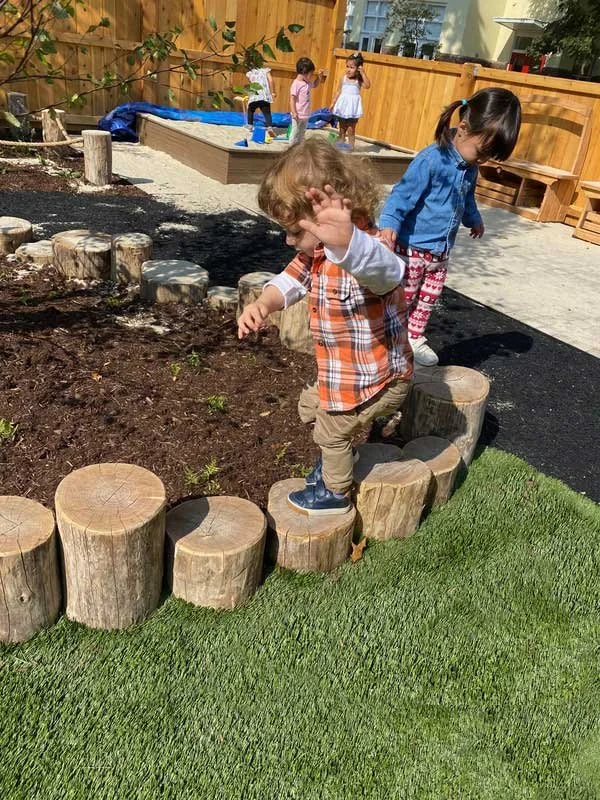
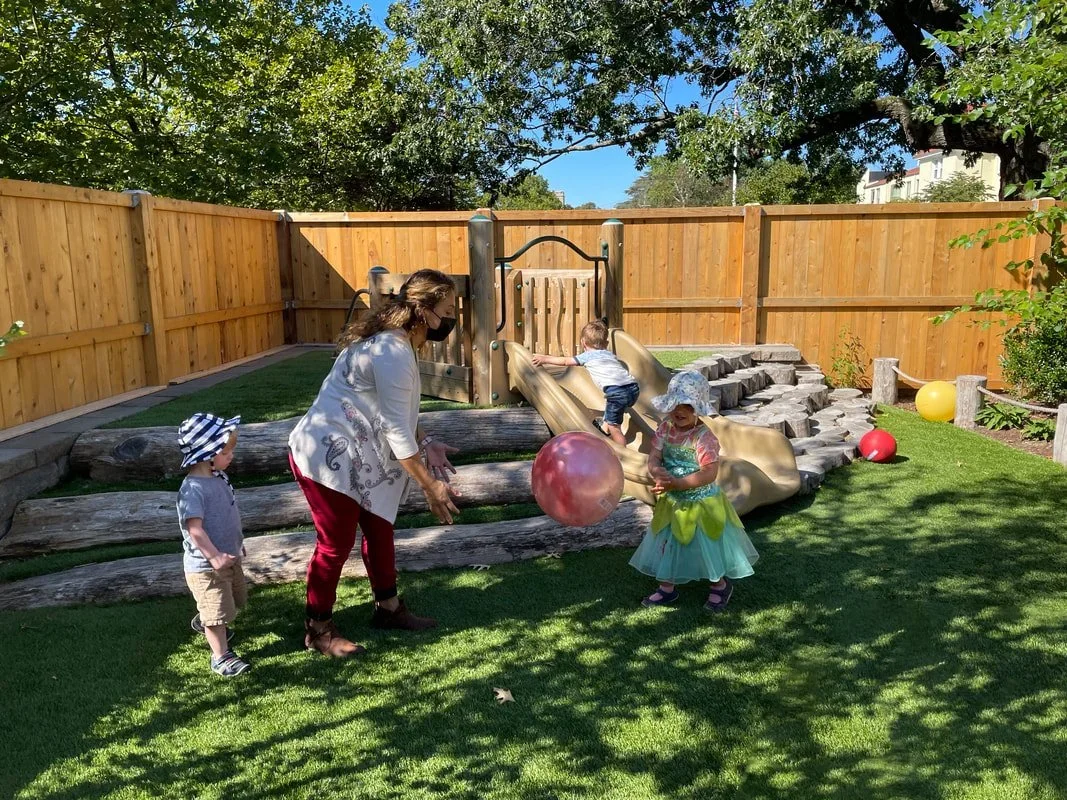
Nature-Based PlayThe playground was designed to support children's development through open-ended play rather than prescriptive equipment. Soft, resilient surfacing provides a safe environment for children who are just learning to walk, while varied play opportunities encourage climbing, balancing, running, riding tricycles, and imaginative exploration. Rather than directing how children should play, the landscape encourages children to develop skills, build confidence, and engage creatively with their surroundings.
A thoughtfully curated mix of native and adapted plantings further enriches the play experience by providing year-round sensory engagement. Native river birches invite tactile exploration with their distinctive peeling bark, red twig dogwoods offer vibrant red stems that remain visually engaging throughout the winter, and evergreen inkberry shrubs provide glossy foliage that adds consistent texture and color in every season. Together, the landscape becomes an active learning environment where children interact with natural materials, observe seasonal change, and discover new experiences throughout the year.