Little School at Lincoln School
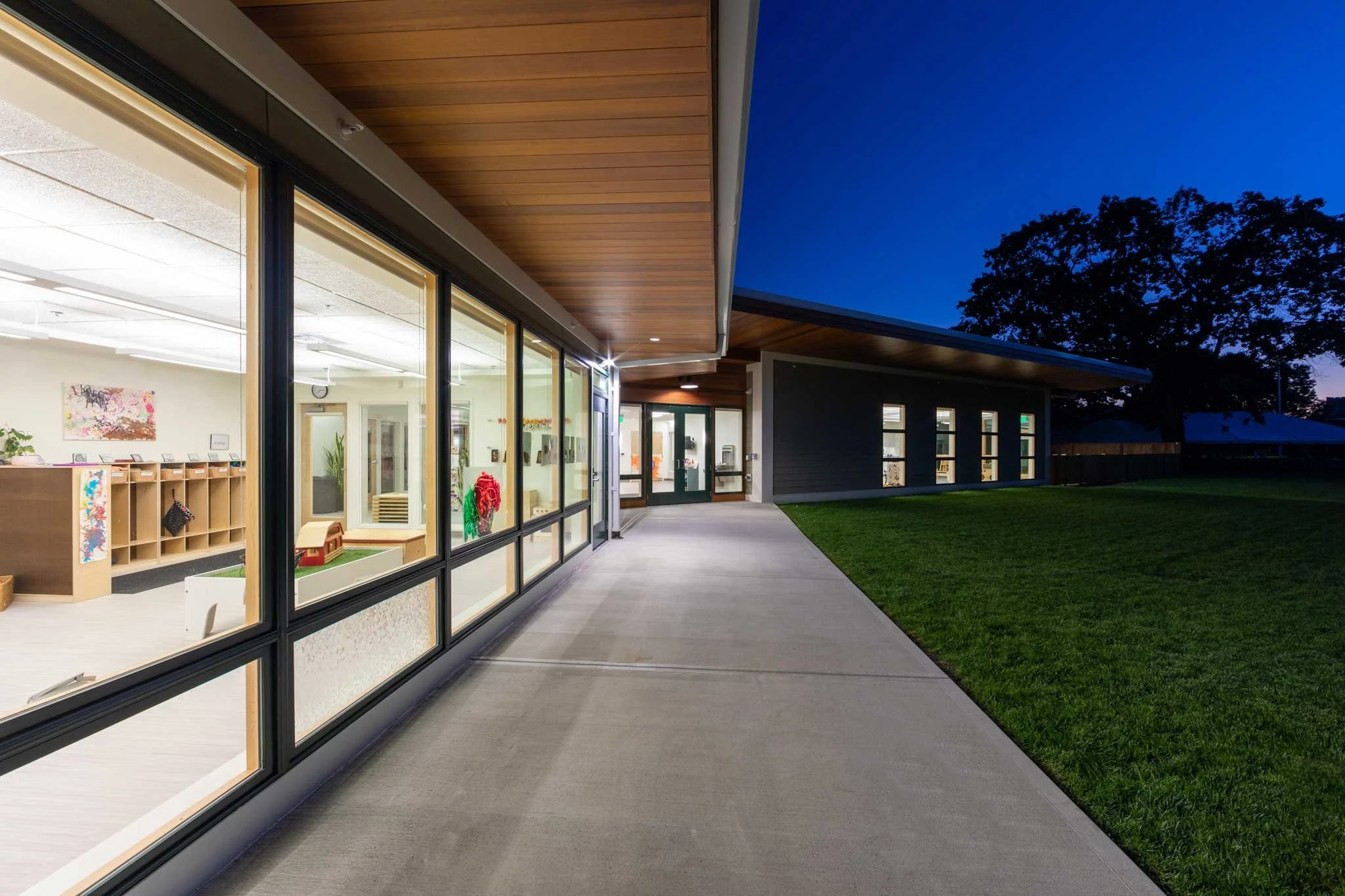
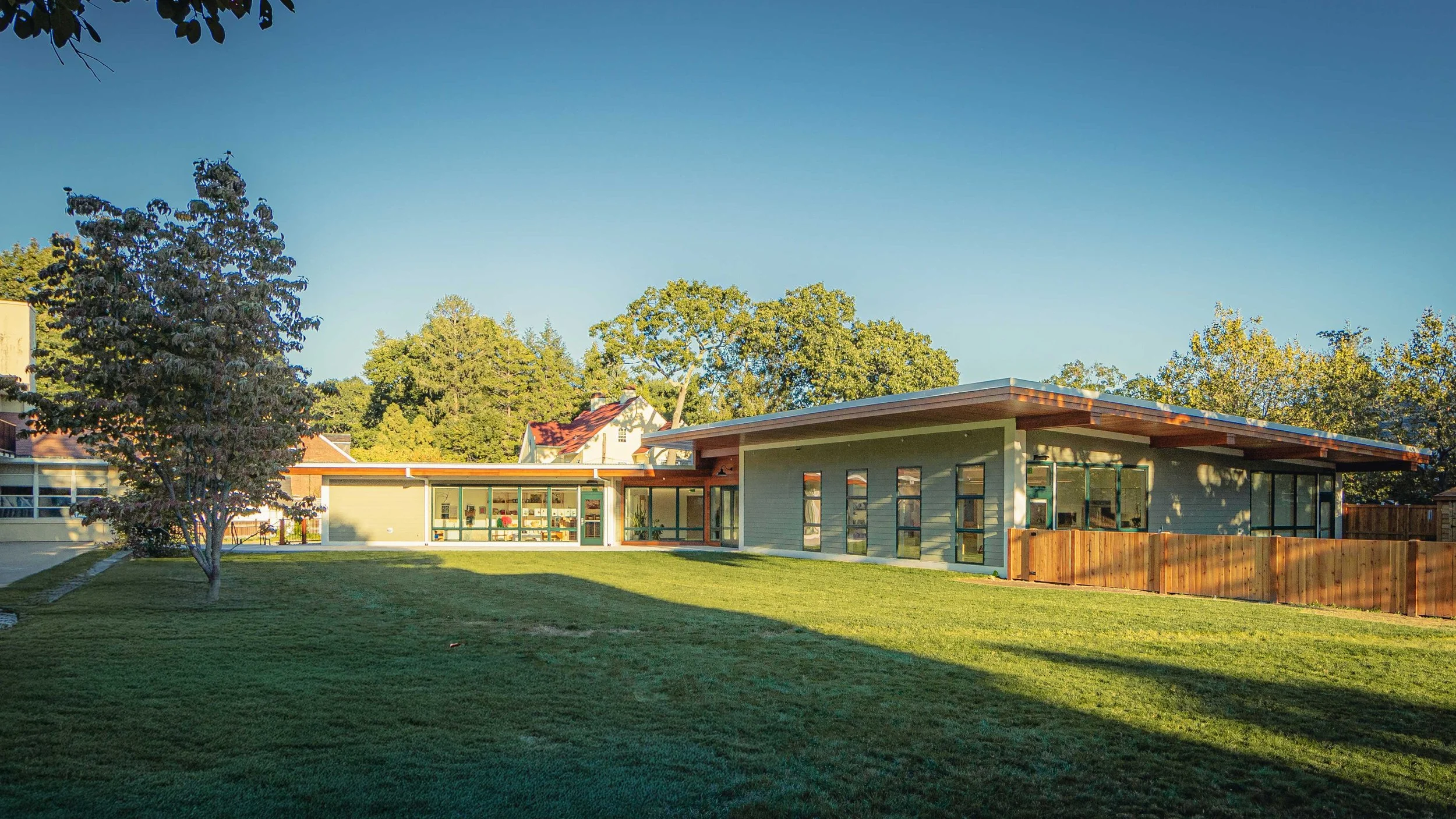
Rooted in Quaker principles of environmental stewardship, community, and simplicity, the Lincoln School in Providence, RI, is home to a highly respected coeducational early childhood program. This LEED Gold certified, net-zero energy project expands the Little School with indoor and outdoor learning environments inspired by the School’s Reggio-Emilia-inspired curriculum and Quaker values. The design strengthens connections to the surrounding neighborhood while creating healthy, sensory-rich spaces that encourage curiosity, exploration, and learning.
A sustainable early learning environment where Reggio Emilia philosophy and Quaker principles inspire exploration, creativity, and meaningful connections to the natural world.Client
Lincoln School
Location
Providence, Rhode Island
Services
Architecture, Landscape Architecture, Interior Design, New Construction, Stakeholder Engagement, Master Planning, and LEED
Size
4,700 sq ft (Interior)
2,300 sq ft (Exterior)
Certification
LEED Gold Certified and Net Zero Energy

“Everything that we are as a program, and how we value relationships, all of that was really, very well thought of in the design of this space.”
Kimberly Lough, Director of the Little School, Early Childhood and Auxiliary Programs

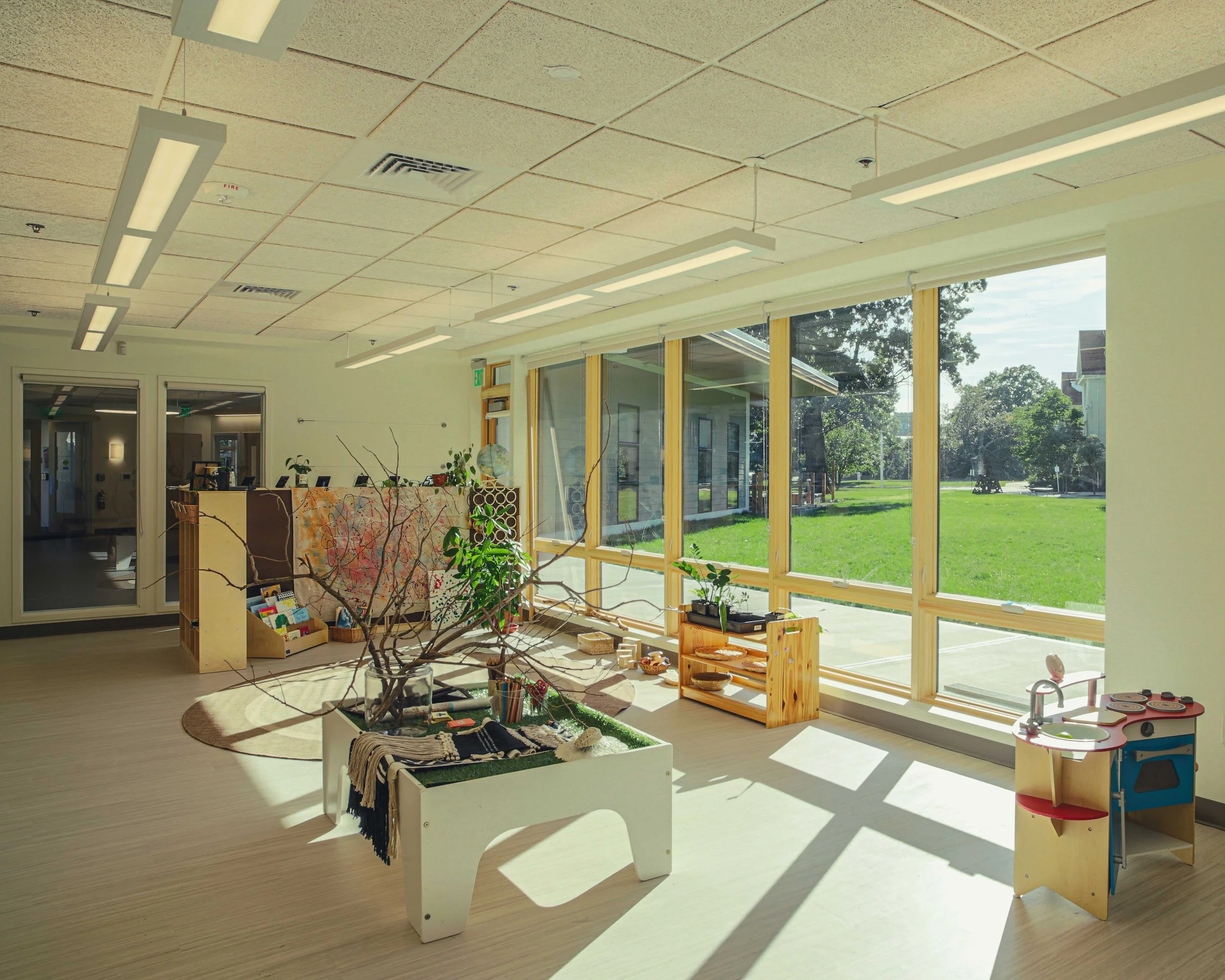
A Sustainable Learning EnvironmentThe LEED Gold certified, net-zero energy Little School was designed to support both environmental stewardship and healthy early learning. Floor-to-ceiling operable glazing fills classrooms with natural daylight and fresh air, while a rooftop solar array generates more than 128% of the site's annual energy needs. Additional sustainable features, including LED lighting, light-colored paving, and a building management system that displays real-time energy use, help reduce environmental impact while making sustainability visible to students and families.
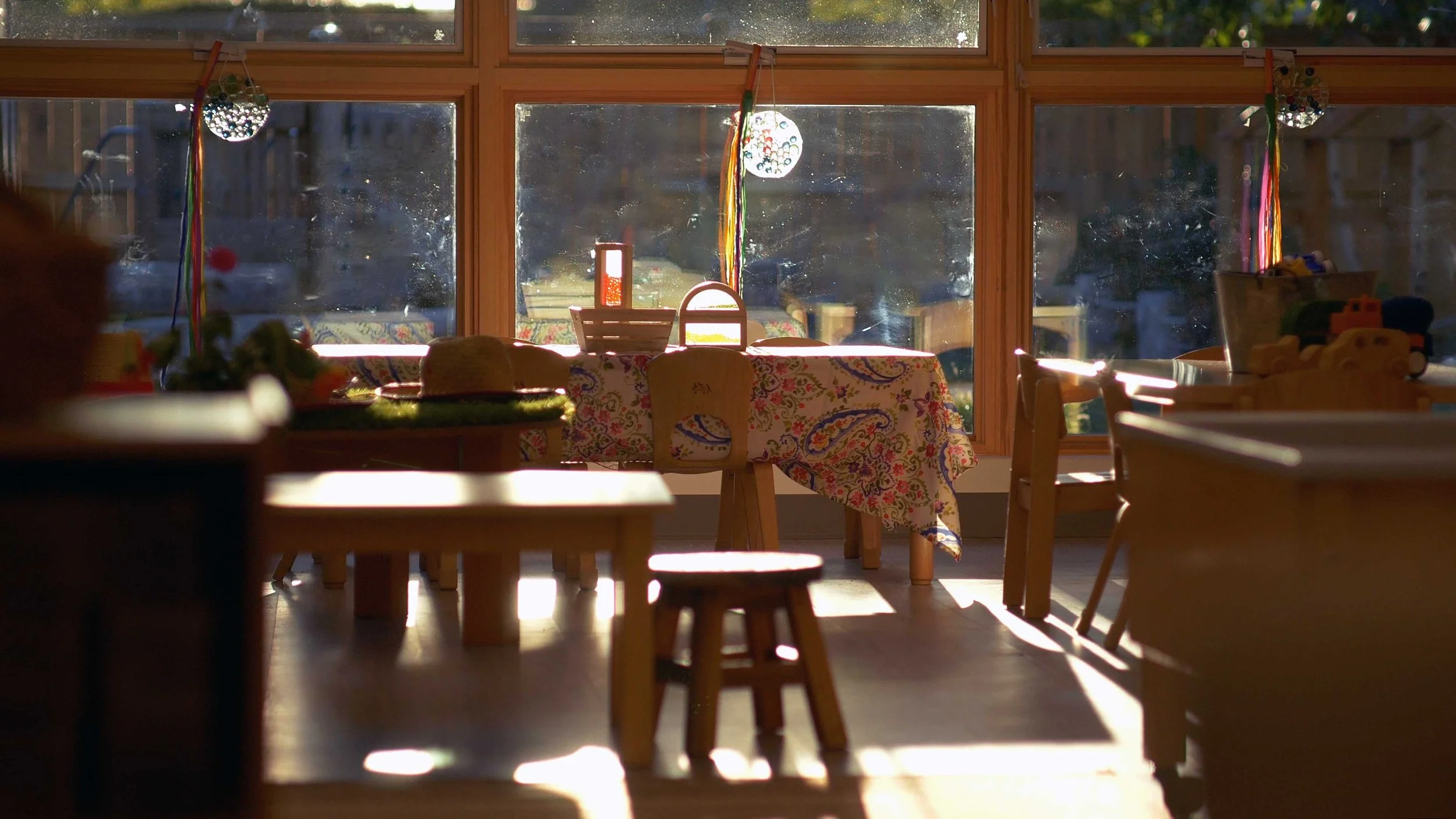
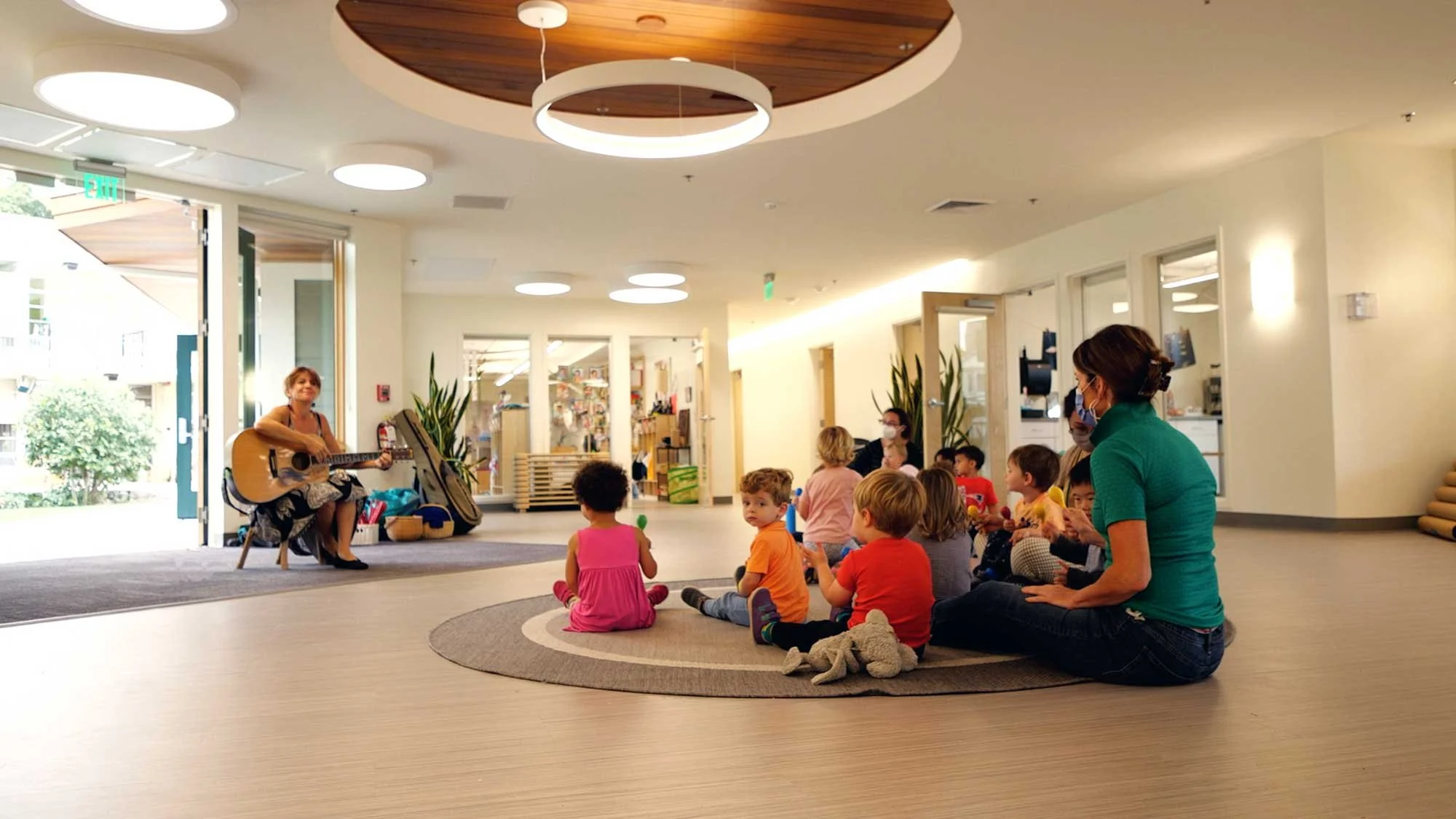
The Environment as the Third TeacherInspired by the Reggio Emilia philosophy, the Little School was designed with the belief that the environment is an active participant in every child's learning. A welcoming central piazza serves as the heart of the building, creating a gathering space for students, families, and visitors. Adjacent to the piazza, the atelier encourages creativity, collaboration, and project-based exploration through loose parts, natural materials, and open-ended experiences. Throughout the building, carefully considered materials, abundant natural light, and strong visual connections to the outdoors create spaces that nurture curiosity, independence, and discovery.
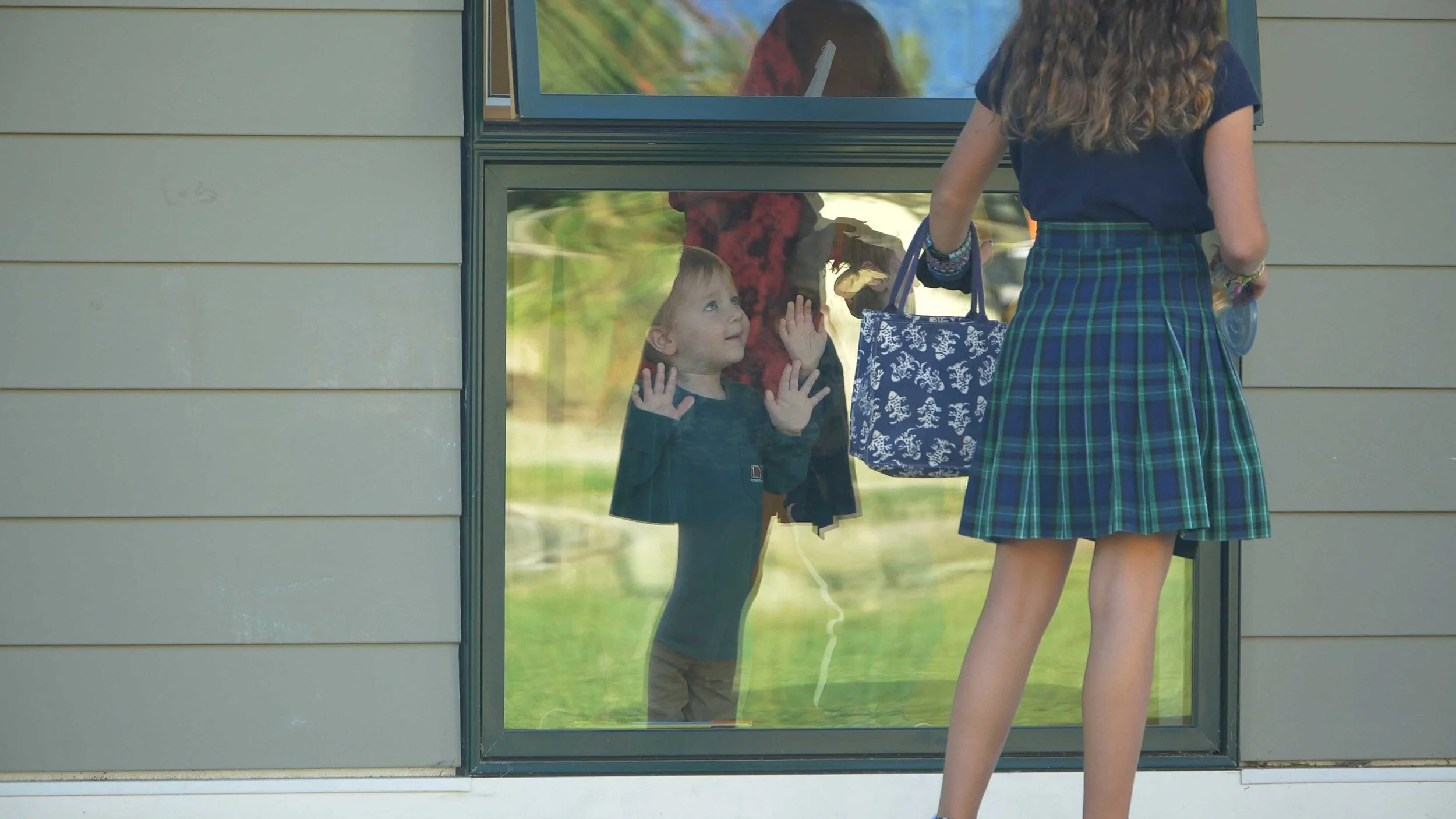
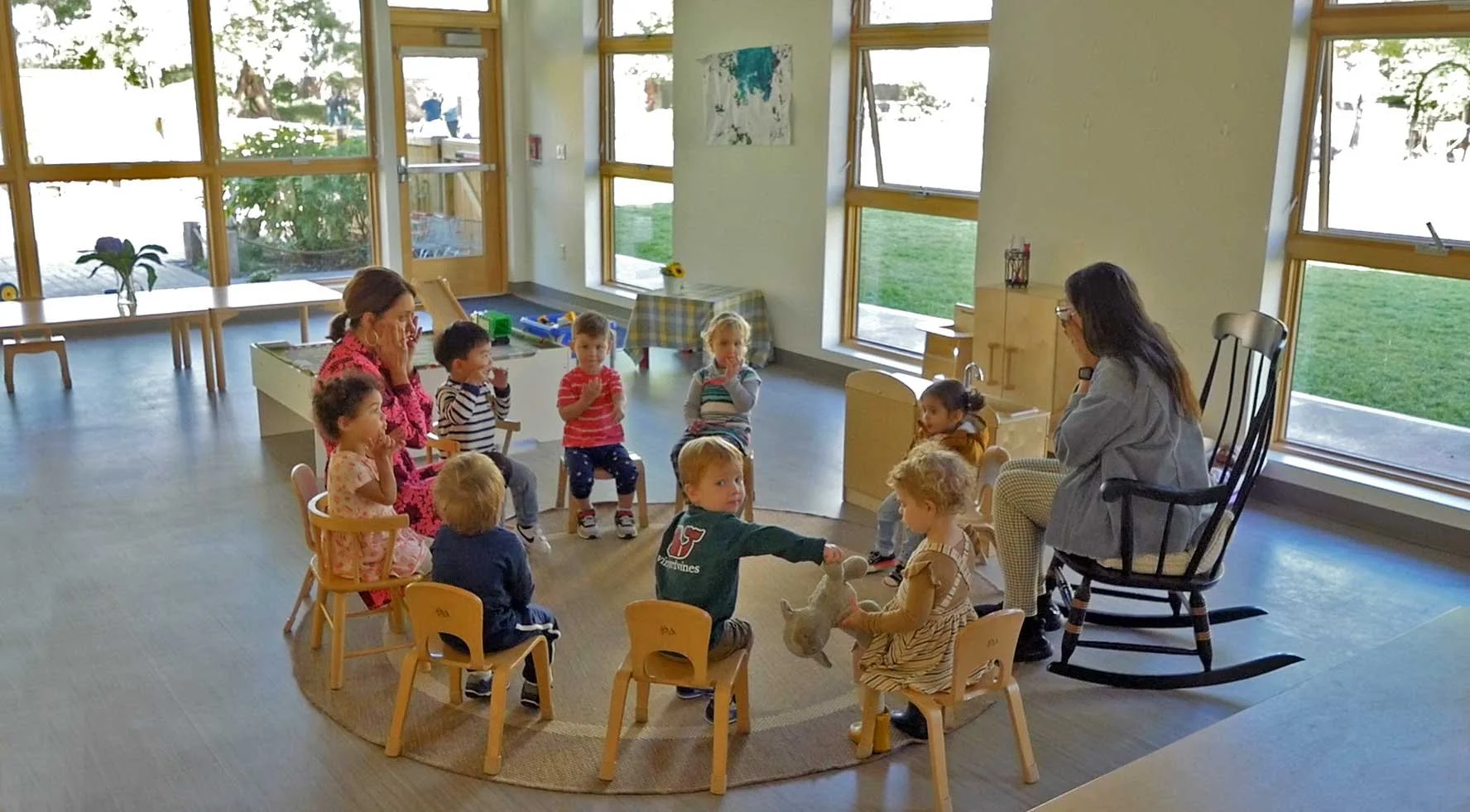
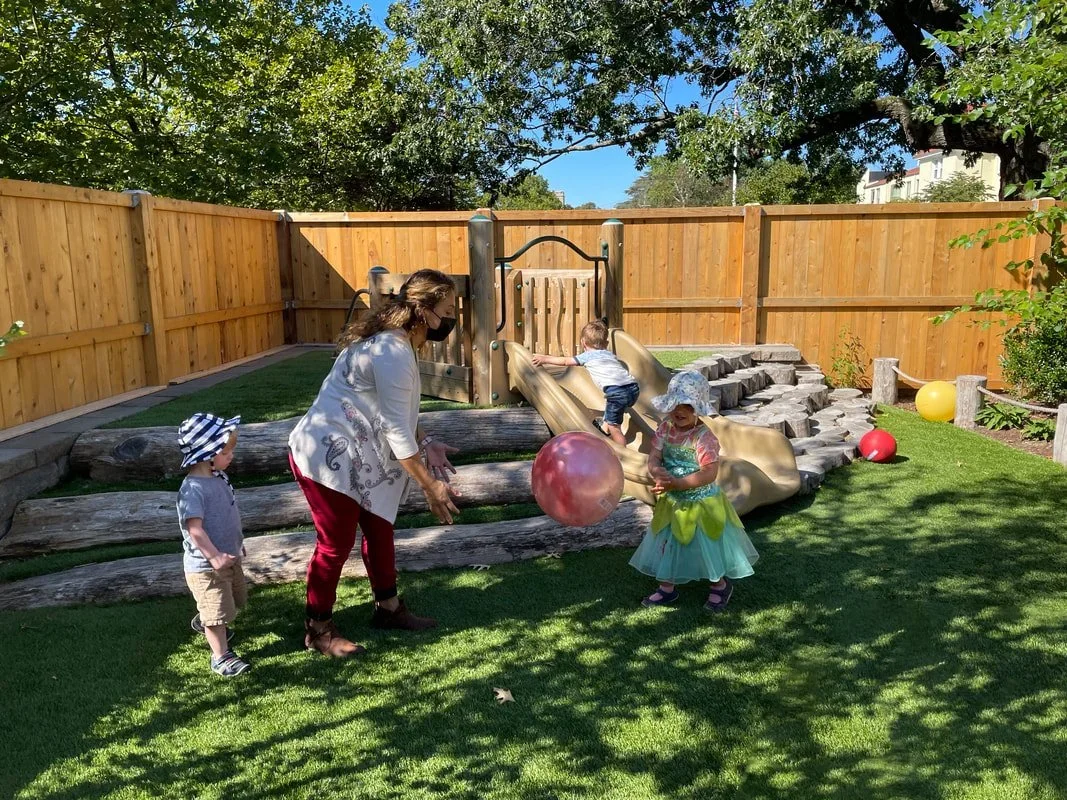
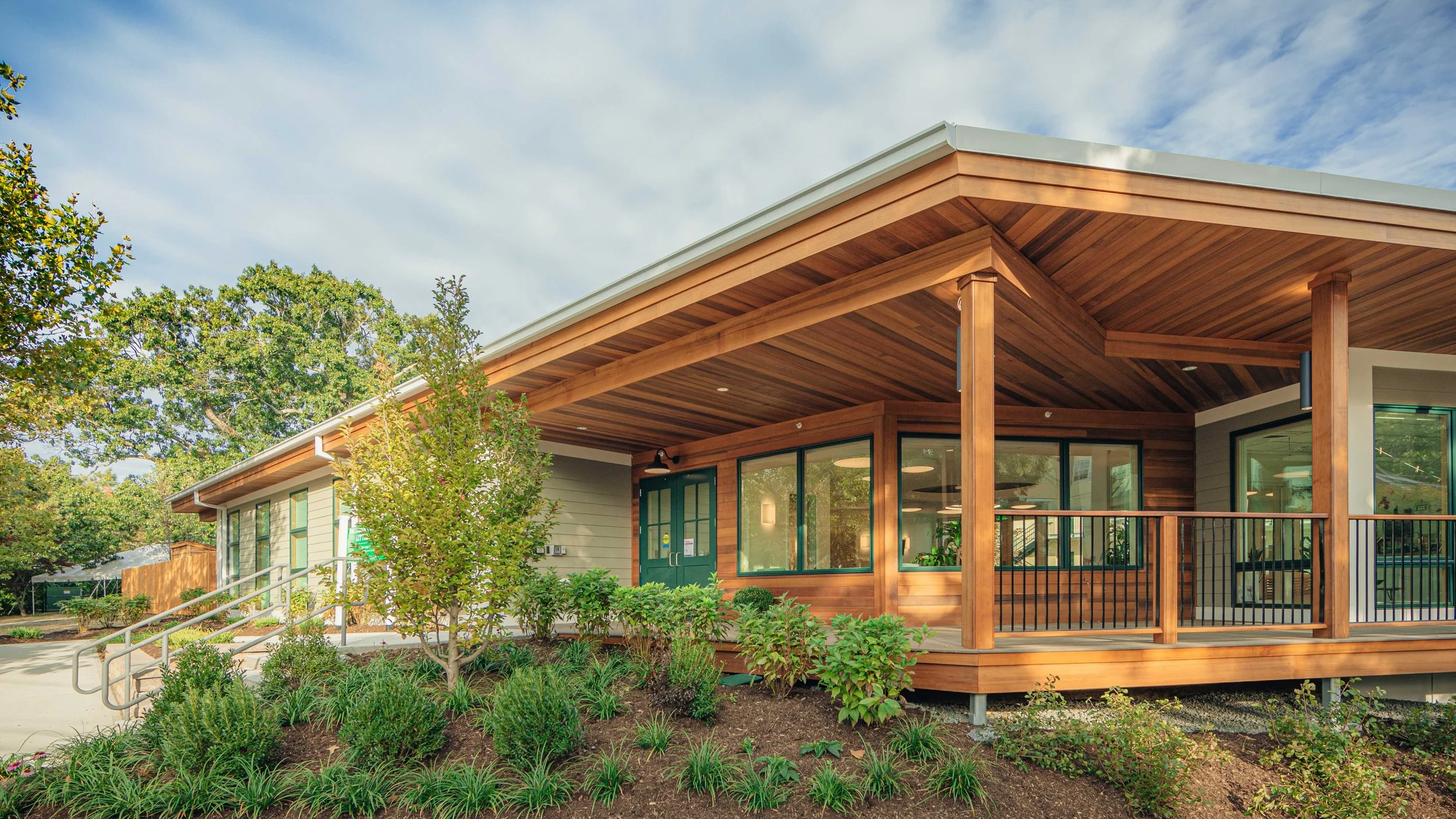
Outdoor ExplorationNature plays an integral role in the Lincoln School curriculum, making the outdoor environment an essential extension of the classroom. Every classroom opens directly to the 2,300 SF nature-based play space, allowing children to move seamlessly between indoor and outdoor learning throughout the day. A wrap-around porch extends the classroom outdoors even during inclement weather, while logs, boulders, and native plantings create sensory-rich opportunities for exploration, imaginative play, and meaningful connections to the natural world.